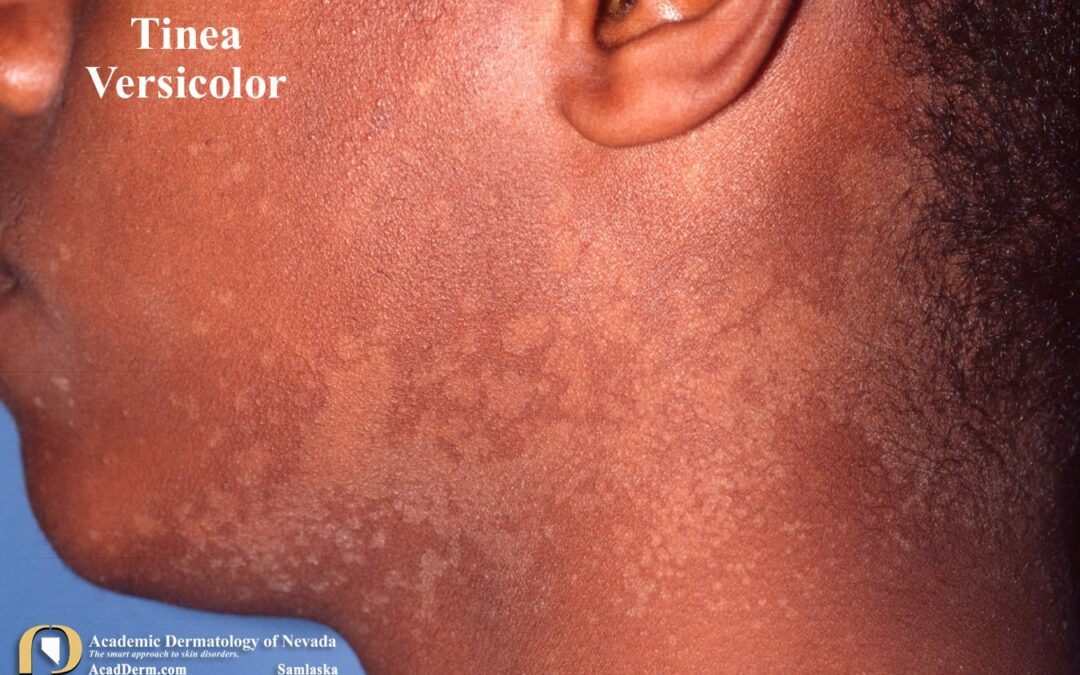
by Claudia Paoletto | Nov 18, 2021 | Tinea Versicolor
Tinea Versicolor (TV), also known as Pityriasis Versicolor, is a benign, superficial fungal infection of the skin caused by Malassezia species, particularly M. furfur, M. obtusa, and M. slooffiae. TV typically presents at hypopigmented or hyperpigmented, coalescing...

by Claudia Paoletto | Nov 16, 2021 | Erythema Multiforme
In 1860 von Hebra first described Erythema Exudativum Multiforme. The original disease described is now called Erythema Multiforme Minor or Herpes Simplex Associated Erythema Multiforme and is often associated with a recurrent herpetic infections. When cutaneous...
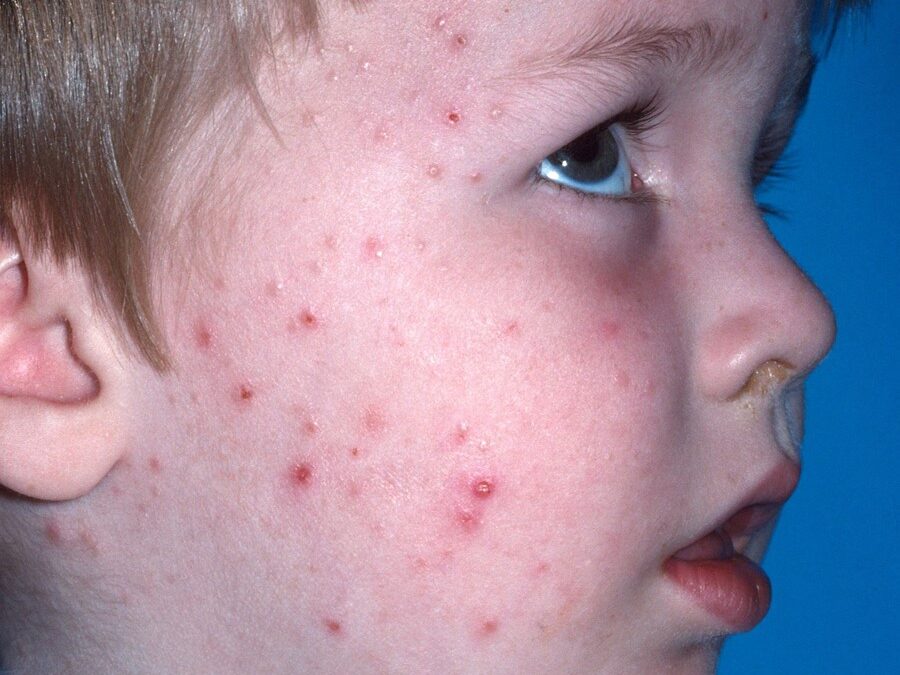
by Claudia Paoletto | Oct 12, 2021 | PLEVA
Pityriasis Lichenoides et Varioliformis Acuta (PLEVA) is also known as Mucha-Habermann disease. The eruption often appears suddenly in children and young adults. At onset the lesions are erythematous macules, papules or papulovesicles, which tend to be brownish red...
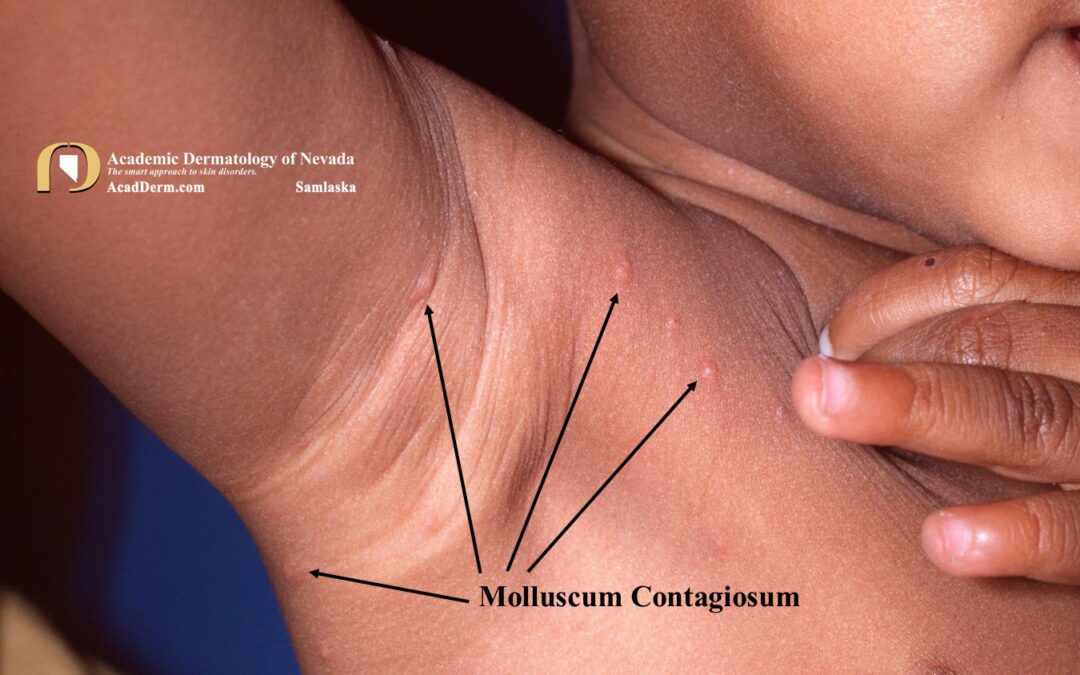
by Claudia Paoletto | Sep 10, 2021 | Molluscum Contagiosum
Molluscum Contagiosum (MC) is caused by four closely related poxvirus types, referred to as MCV-1 through MCV-4. It is a worldwide infection that occurs mostly in children. They have also been referred to as Water Warts. There are two other classifications, 1)...
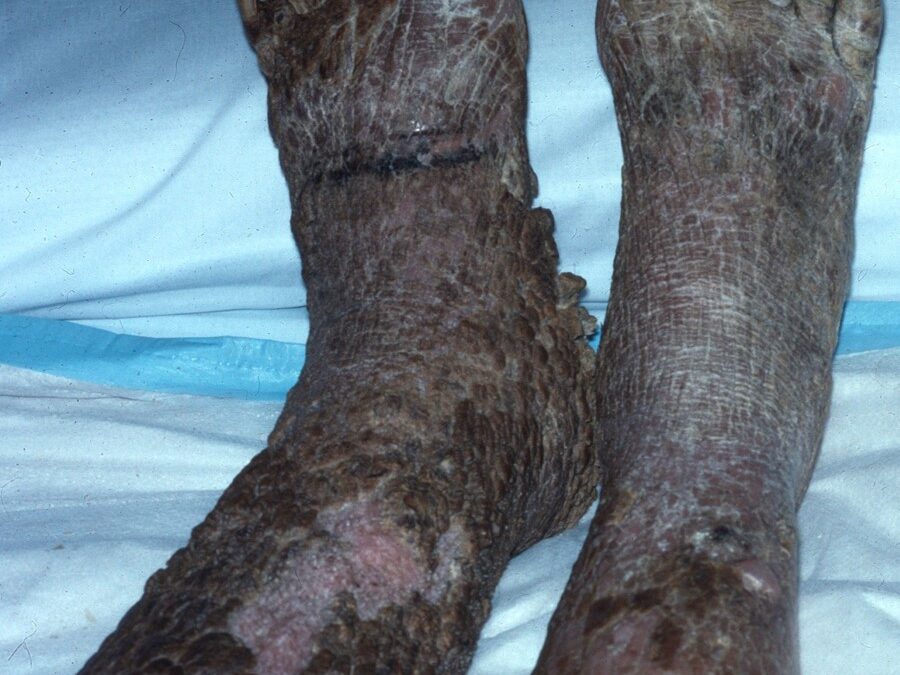
by Claudia Paoletto | Sep 7, 2021 | Elephantiasis Verrucosa Nostra
In 1933, Sir Aldo Castellani presented a paper suggesting using the term Elephantiasis Verrucosa Nostra (EVN) to indicate nonfiliarial forms of elephantiasis. He suggested that the term should be used in a “very relaxed way” to denote all kinds of...
